
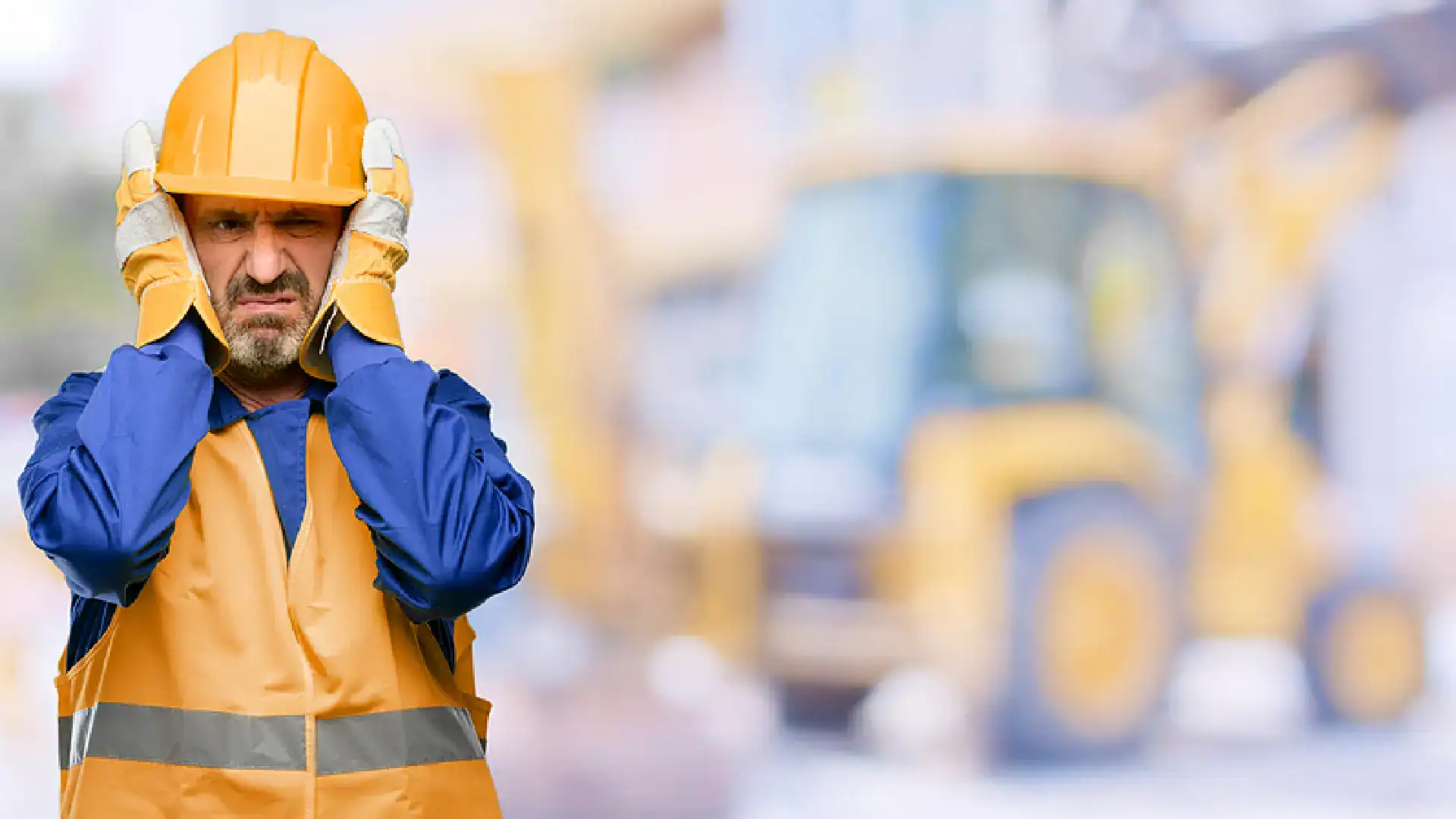
The unfortunate truth of the matter is that the world is a noisy place. It’s part of our everyday life. We hear it everywhere, from driving in traffic to shopping, and even at home. While there is nothing wrong with that, when noise becomes too loud or lasts too long, it can become what is known as noise pollution. This type of noise can damage your hearing and impact your overall health. This blog will explore noise pollution and how you can protect your hearing and your hearing health.
What Is Noise Pollution?
Any noise that is unwanted or harmful and disrupts our environment is noise pollution. Some common sources of noise pollution are listed below:
- Sirens
- Airplanes
- Construction Sites
- Loud Music
- Loud Conversations
While noise is unavoidable, repeated exposure to loud sounds can affect your hearing health.
Hearing health professionals measure sound in what are known as decibels (dB). Most normal conversations occur at 60 dB. Heavy traffic or a lawnmower might be measured above 85 dB and can be harmful if you’re exposed to them for too long. Sounds above 120 dB, like fireworks or a rock concert, can cause immediate damage to your hearing.
How Noise Pollution Affects Hearing
Our ears are delicate. The tiny hair cells in the inner ear help us hear and interpret sounds. Loud noises can damage the hair cells. If they become damaged by exposure to loud sounds, it is called noise-induced hearing loss. This can be permanent.
Effects on Different Age Groups
Noise pollution affects people of all ages, but some groups are more at risk than others.
Children and Teens
Today’s young people use headphones and earbuds to listen to music or watch videos on their smartphones at high volumes. This can result in hearing loss. Studies have shown that 1 in 5 teenagers has some form of hearing damage as a result of continued exposure to loud noise.
Adults
Adults working in noisy environments, such as construction sites, airports, and factories, are at risk of hearing loss.
Older Adults
While aging adults can suffer from hearing loss, noise pollution can aggravate and even worsen the situation. Those older adults exposed to loud noise can suffer faster and more severe hearing loss as they age.
Health Effects Beyond Hearing
It’s important to recognize that hearing loss doesn’t just impact your ears; it can also affect your body and mind. Long-term exposure to loud noise has been linked to the
- Stress and anxiety
- Sleep problems
- High blood pressure
- Trouble concentrating
This means protecting your ears is also important for your overall health.
How to Protect Your Hearing
It’s essential to recognize that hearing loss from noise pollution can be prevented. The most common ways to protect your hearing are listed below:
Turn Down the Volume
When you’re wearing earbuds or headphones, make sure to keep the volume at a safe level. Also, give your ears a break. Use the 60/60 rule. Don’t listen at a volume greater than 60% for more than 60 minutes at a time.
Wear Hearing Protection
If you’re attending concerts or sporting events, wear noise-canceling ear protection. These can reduce noise levels by 15-30 dB.
Limit Time in Noisy Places
Give your ears a rest if you’re on a city street or attending a party. Move to quieter areas to give yourself a break.
Protect Young Ears
Educating children and teens about hearing health is important. Encourage them to use headphones responsibly and protect their ears at loud events.
Check Noise Levels
There are free apps that can measure noise levels. If the noise level is over 85 dB, try to limit your time there or wear protection.
Conclusion
Noise pollution is a serious threat to hearing health, but it’s often ignored because we’ve gotten used to loud environments. It’s important to protect your ears when exposed to loud noise. Keep in mind, once hearing is damaged, it cannot be repaired.
Taking simple steps to reduce exposure can make a huge difference to your hearing health. Protecting your hearing today means enjoying the sounds of life for years to come.