
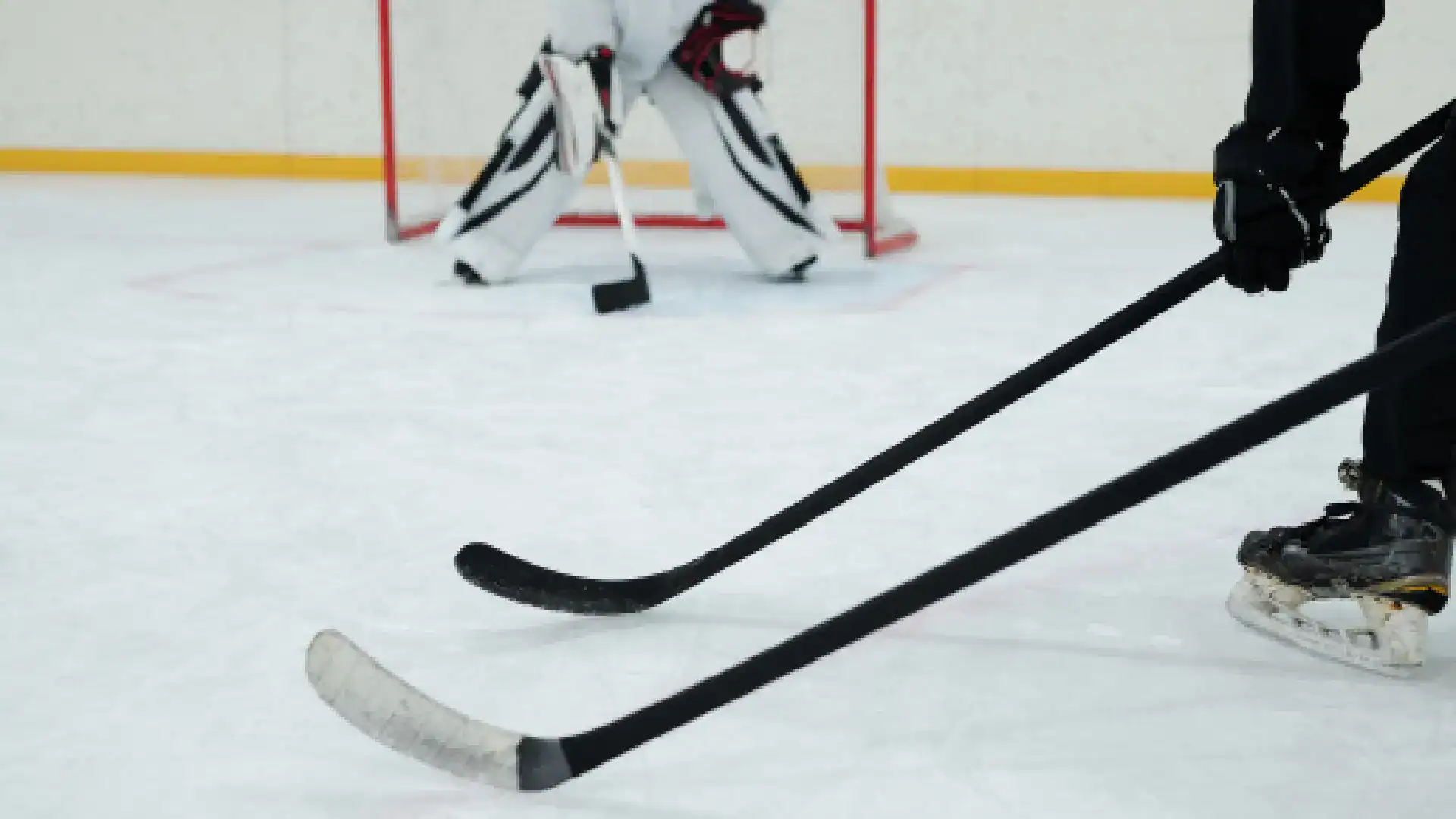
Being an athlete requires a great deal of dedication and hard work. There are countless hours of practice, travel, and competition. Training staff focus on improving their strength and endurance, which helps to prevent injuries; however, they fail to address the issue of hearing protection. Protecting your hearing is just as important as protecting your muscles and joints.
Between playing in loud stadiums filled with cheering crowds and whistle blasts, an athlete can be exposed to noise levels that can damage their hearing. Thankfully, there are tools and strategies that athletes can use to protect their ears without diminishing their performance.
What Are the Risks?
While most people associate hearing loss with aging, athletes of all ages face the same risks. Any exposure to sound levels above 85 decibels can cause damage. The list below outlines how this can occur to an athlete:
- A referee’s whistle can reach over 120 decibels.
- Stadium crowd noise can be between 100 and 130 decibels.
- Fireworks or halftime entertainment can climb above 140 decibels.
When our ears are repeatedly exposed to these sounds, it can increase the risk of noise-induced hearing loss (NIHL). The unfortunate reality is that once hearing damage occurs, it is typically permanent.
Hearing Protection Strategies
For athletes, there are various strategies to help protect their ears.
Wear Protective Ear Gear
There are custom earplugs that filter out the damaging noise frequencies while still allowing athletes to hear teammates, referees, and coaches. They merely lower noise levels without muffling communication.
Whistle Exposure
Coaches and referees typically use whistles to get players’ attention. They can produce hazardous noise levels that can result in damage. Athletes can distance themselves when whistles are used. Coaches can also opt for electronic whistles which produce a sound but at a lower level.
Manage Headphone Music Volume
Headphones have become a staple for athletes during warm-up and training. It is important to hold to the 60/60 rule which means to listen to music for no more than an hour at 60% volume to protect your hearing.
Take Listening Breaks
Our ears are like any other muscle in the body. They can become fatigued and need recovery time after being exposed to loud noise. Taking even a short break from the noise can greatly reduce the overall impact on your ears.
Warning Signs
There are warning signs of hearing damage, which can include ringing in the ears, a feeling of ear clogs, or difficulty understanding conversations.
Coaches and Teams
It should be emphasized that hearing protection is not solely the responsibility of the athletes. Trainers and coaches also play a part in creating safe environments.
- Education – It is important to educate players about the importance of protecting their ears.
- Providing Gear – Teams can supply protective earplugs or electronic whistles as standard equipment.
- Creating Safe Policies – Limiting unnecessary exposure to loud sounds during practice reduces risks without affecting performance.
When organizations and coaching staff take steps to stop hearing loss, it will not only improve the quality of practices but also player safety.
Benefits of Protecting Hearing
Healthy hearing is important not only in a sports setting. It helps us to communicate, work, and live an engaging life. Athletes who take steps to protect their ears tend to maintain stronger social connections and experience healthier mental well-being.
In addition, research has linked untreated hearing loss with cognitive decline and other health concerns later in life. Taking action now helps ensure long-term wellness, both on and off the field.
Conclusion
Athletes work hard to build strength, endurance, and resilience. Protecting hearing should be viewed as part of that same commitment to overall health. By using protective ear gear, managing noise exposure, and staying alert to warning signs, athletes can preserve their hearing for years to come.
Sports are meant to inspire energy and excitement, not cause lasting harm. With the right strategies in place, every athlete can enjoy the sound of the crowd, the whistle of the referee, and the cheers of their teammates—safely and for a lifetime.
