
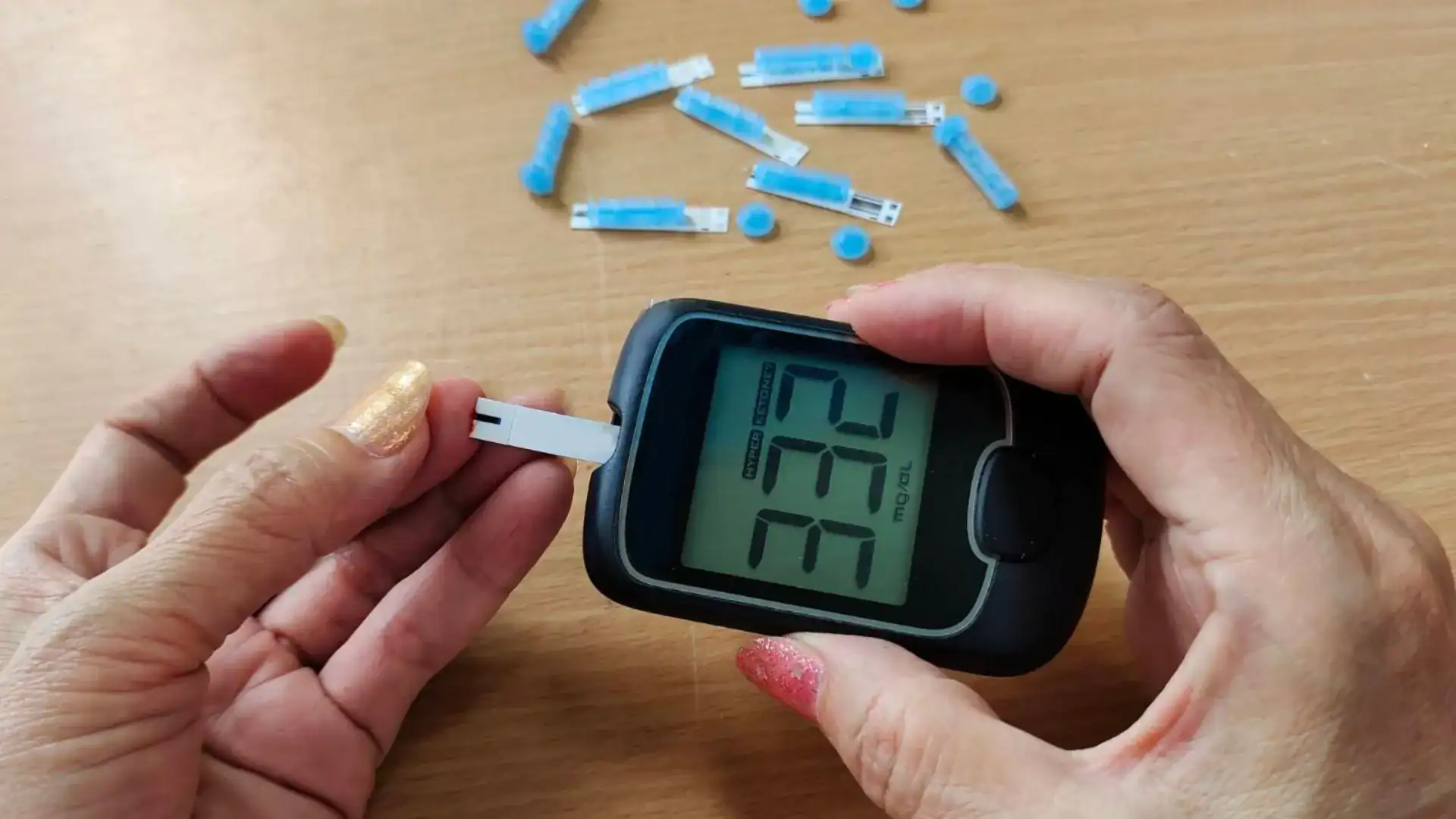
Many people know that healthy blood sugar levels are important for the heart, kidneys, eyes, and nerves. However, fewer people realize that blood sugar may also affect hearing health. Research has shown that long-term changes in blood sugar levels can damage the tiny blood vessels and nerves throughout the body, including those found in the inner ear.
The inner ear depends on a steady supply of oxygen and nutrients to function properly. When blood sugar remains too high for long periods, it may interfere with this delicate system. Understanding the connection between blood sugar and hearing loss can help people make healthy choices that support their hearing throughout life.
How Blood Sugar Affects the Body
After eating, the body breaks food down into glucose, which is a type of sugar that provides energy for cells. The hormone insulin helps move glucose from the bloodstream into the body’s cells, where it can be used.
When blood sugar levels remain higher than normal over time, blood vessels and nerves may become damaged. This damage can affect many parts of the body, especially areas that rely on healthy circulation.
Because the inner ear contains tiny blood vessels and sensitive nerve cells, it may be more vulnerable to long-term changes in blood sugar.
Why the Inner Ear Needs Healthy Circulation
The hearing system depends on thousands of tiny hair cells inside the inner ear. These cells detect sound vibrations and send signals to the brain. Unlike many other cells in the body, these hair cells do not regenerate after they are damaged.
Healthy blood flow delivers oxygen and nutrients that help these cells function properly. Reduced circulation may limit the nutrients reaching the inner ear, increasing the risk of hearing changes over time.
The Connection Between Diabetes and Hearing Loss
Studies have found that people with diabetes are more likely to experience hearing loss than those without the condition. Although researchers continue to study the exact reasons, damage to blood vessels and nerves appears to play an important role.
Not everyone with diabetes will develop hearing loss. Likewise, hearing loss can occur in people without diabetes. Even so, understanding this connection encourages people to pay closer attention to both their hearing and their overall health.
Learning more about hearing loss can help people recognize changes early and seek appropriate care before communication becomes more difficult.
Signs That Should Not Be Ignored
Hearing loss often develops gradually. Because changes happen slowly, many people do not notice them right away.
Common signs include:
- Frequently asking people to repeat themselves.
- Turning the television volume higher than others prefer.
- Difficulty understanding conversations in noisy places.
- Feeling that people are mumbling during conversations.
Recognizing these symptoms early allows people to take action before hearing challenges begin affecting daily life.
Healthy Habits That Support Hearing
While no single habit can guarantee healthy hearing, several lifestyle choices may reduce risk factors associated with hearing loss.
Healthy habits include:
- Eating a balanced diet.
- Exercising regularly.
- Managing blood sugar as directed by a healthcare provider.
- Avoiding tobacco products.
- Protecting your ears from loud noise.
These simple steps support overall wellness while helping maintain healthy circulation throughout the body.
The Importance of Routine Hearing Care
People who have diabetes or other conditions that affect circulation may benefit from regular hearing evaluations. Monitoring hearing over time allows changes to be identified earlier, making it easier to discuss appropriate treatment options.
A hearing health professional can evaluate hearing ability, answer questions about communication concerns, and recommend personalized solutions based on individual needs.
Routine hearing care is an important part of preventive healthcare, especially for adults who have medical conditions known to affect circulation or nerve function.
When to Schedule an Appointment
If you notice changes in your hearing, do not assume they are simply part of getting older. Many hearing concerns develop gradually and may improve with early evaluation and treatment.
Scheduling an appointment with a hearing health professional provides an opportunity to better understand your hearing health and discuss the next steps if concerns are identified.
Conclusion
Blood sugar levels influence much more than energy and metabolism. Healthy circulation and nerve function are essential for protecting the delicate structures inside the inner ear. When blood sugar remains uncontrolled over time, the risk of hearing changes may increase.
By maintaining a healthy lifestyle, managing medical conditions, and scheduling routine hearing evaluations, people can take meaningful steps toward protecting their hearing. Early attention to hearing changes supports better communication, greater confidence, and an improved quality of life for years to come.
