
Connecting with loved ones shouldn’t include frustration or worry about malfunctioning hearing aids. When a device acts up, it’s tempting to panic. However, many common issues can be resolved at home with calm attention and a few simple checks.
While professional care is always available, home troubleshooting saves time and keeps devices working reliably between visits. Equipped with knowledge and a steady hand, anyone can handle minor hiccups and preserve the connection that hearing aids bring.
Check the Battery and Power Source
Hearing aids depend on consistent power to deliver crisp sound. If the device seems weak or silent, a low or dying battery is often the culprit. First, replace or recharge the battery. Make sure a fresh battery is placed correctly, with the contacts clean and dry.
For rechargeable models, ensure the hearing aid docks properly overnight and that the contacts are free of dust. If the power issue continues after these steps, moisture or internal corrosion could be involved, signaling it’s time to contact a hearing health professional for deeper inspection or repair.
Clean the Microphones and Receiver
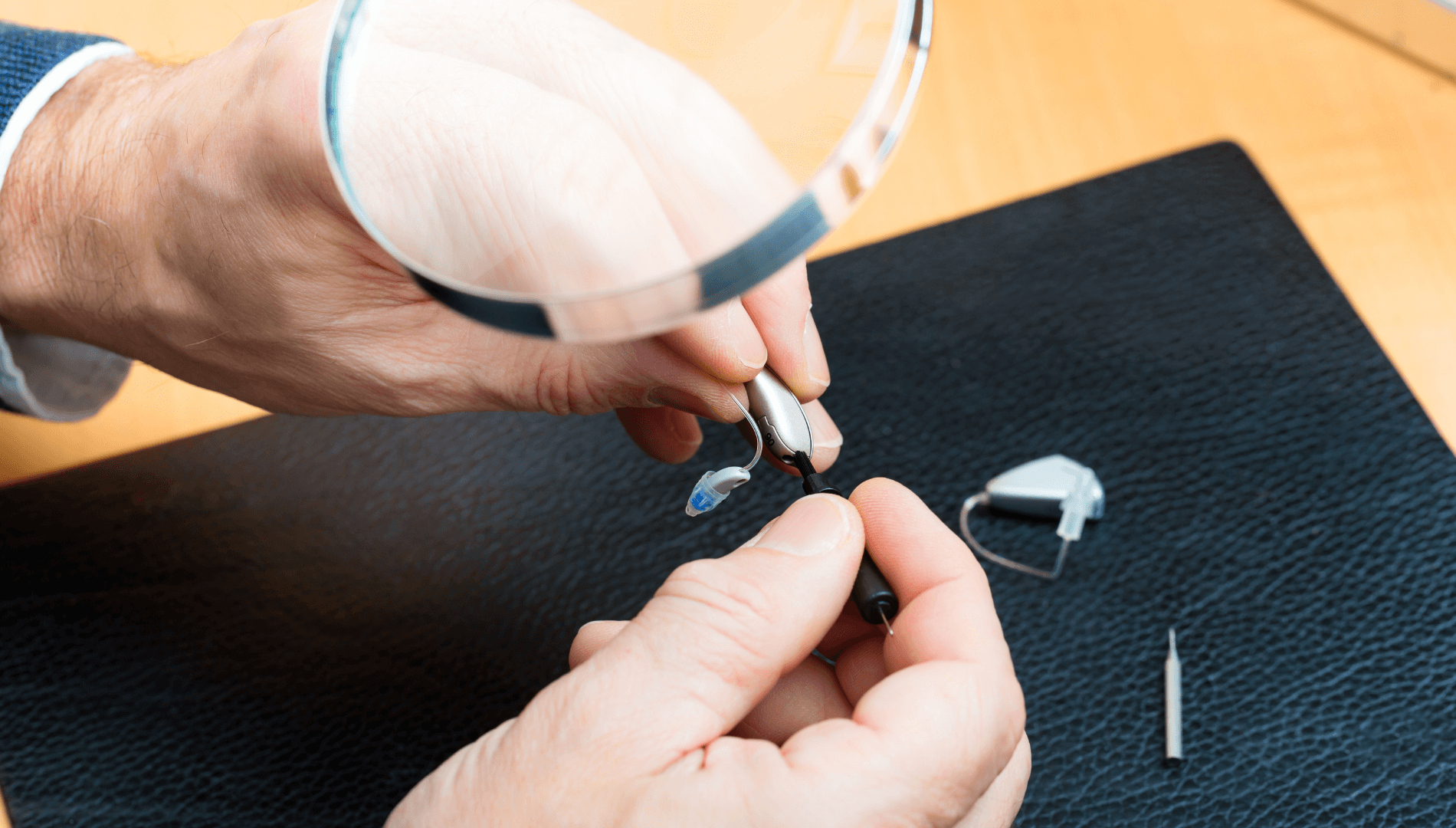
Daily use of hearing aids will allow the earwax, skin oils, and debris to accumulate in them. This can eventually cause sound to be muffled or lead to odd feedback. To start with, use a soft brush to clean the microphone parts and the receiver. Avoid inserting anything sharp inside. Quickly wiping the casing with dry clothes also prevents moisture.
With regular cleaning, many problems can be avoided. If the sound is still unclear after cleaning, that means the blockage is deeper, so it might need professional cleaning. At-home care can be very useful, but professionals have all the tools to reach the hidden spots.
Inspect Tubing and Earmold Connections
For hearing aids with behind-the-ear styles, the tube and earmold are used to direct sound to the ear. As time goes on, the tubes stiffen or become cloudy and detach from the device. The earmold fit can also loosen up, affecting overall performance. Carefully remove the tube and earmold, rinse them with water, and make sure they dry completely.
Inspections help detect cracks and signs of wear that reduce sound quality. Reconnecting securely ensures sound travels as intended. If damage or wear is visible, replacing the tubing or earmold helps restore clarity.
Adjust Volume and Program Settings
Sometimes hearing aids respond poorly simply because of incorrect settings. Volume might be too low, or a program meant for noisy situations may be active in quiet spaces. Consult the manual or companion app to check active settings. Try switching between preloaded listening modes to see if clarity returns.
But if the settings can’t be accessed or the adjustments don’t fix the issue, it might mean that the device has to be recalibrated. In cases like this, only a hearing health professional can help.
Look for Feedback and Whistling Issues
High-pitched whistling going through the hearing aids, especially when they shift or when your hand is close to the face, indicates feedback. Often, wax buildup or a loose fit allows sound to escape and loop back into the microphone. Cleaning openings and ensuring the device seats firmly in the ear helps prevent feedback.
If the problem continues, check for damage to the casing or earmold seal. A worn seal often causes persistent whistling. With the help of a hearing health professional, the device can be adjusted or refitted to remove persistent feedback.
Protect Against Moisture and Humidity
Moisture can always sneak into hearing aids through sweat, humidity, or weather exposure, and this distorts the sound. When hearing aids are glitching after walking in the rain or a humid environment, the best thing is to place them in a drying kit or dehumidifier, preferably overnight.
But when drying rechargeable hearing aids, it’s best to remove the battery first. Between drying cycles, the hearing aids should be kept in a cool, dry place to avoid sudden temperature changes.
Take Action Now for Clear Sound
Hearing aid hiccups happen, and that’s okay. With a few simple steps, it’s possible to fix many issues at home and continue enjoying clear conversations. When in doubt or when problems persist, calling on a hearing health professional ensures reliable performance. Ready to keep hearing strong and consistent? Schedule a checkup now and ensure each day is filled with sounds worth hearing.