
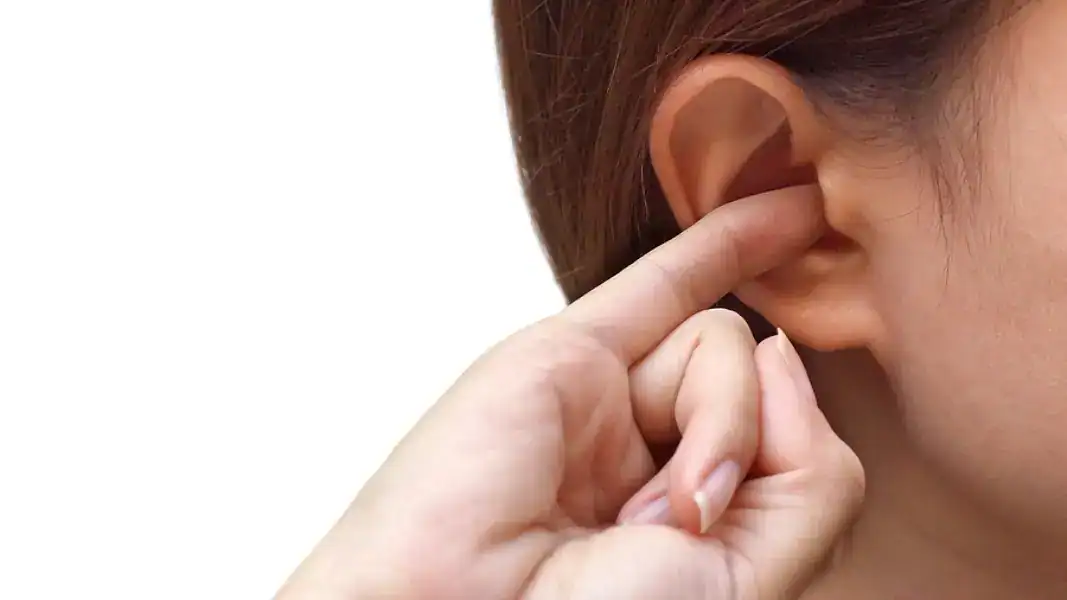
Earwax gets a bad reputation. When anyone thinks about it, they see it as something that should be cleaned out or avoided. Cotton swabs, ear candles, and cleaning kits are sold everywhere. But one might not realize how important earwax is.
It’s not just a buildup of grime. It’s actually a part of how the body keeps the ears clean and working right. The main question many people might have is, when should earwax be cleaned, and when should it be left alone?
What Earwax Actually Does for the Body
Earwax might not seem useful, but it actually does something important. It can trap dust, debris, and bacteria before they go deep into the ear. It’s a sticky substance that forms in the ear canal, and then it moves outward over time. As it goes into the outer ear, it becomes dry and then flakes away, usually when showering or chewing.
This built-in process is part of the body’s natural defense to protect the ear. It ensures that the ear canal won’t get dry or irritated, thereby preventing ear infection. In many cases, earwax doesn’t need any cleaning, as it will take care of itself.
Why Some People Have More Buildup Than Others
Not everyone produces the same amount or type of earwax. Some people use dryer wax, while others might produce it more often. Age, environment, and even stress will change the amount of wax that builds up.
People who wear earbuds and hearing aids often might have worse wax buildup because these devices block the wax from going out of the ear naturally. For other people, earwax can become too hard and impacted over time. This makes everything sound muffled or leads to discomfort or pain in the ear.
When Leaving It Alone Makes the Most Sense
For many people, it’s important to leave their earwax alone. The ear is meant to clean itself, and so washing the outer ear with a damp cloth is usually enough. Using cotton swabs or other tools in the ear will push wax deeper into the canal, causing it to get stuck or lead to an infection.
It can cause blockage, pain, or a temporary drop in hearing. The idea of having to clean the ears every day is very unnecessary and might cause more harm than good. It’s best to trust the ear’s natural process to prevent any risk.
Signs That Wax Might Be Causing a Problem
Although earwax does what it’s meant to do quietly, there are different moments when it will become an issue. There might be a sense of fullness in the ear, muffled hearing, or discomfort, which signals a blockage. Sometimes, there might be ringing or itching in the ears. These symptoms aren’t anything serious, but they eventually interrupt daily life and make it hard to follow conversations.
If these signs show up, that means it’s time to contact a hearing health professional. They take a closer look to check if wax is problematic. If it is, they can remove it gently using safe tools and techniques.
Why Professional Removal Is the Safer Choice
There are so many home remedies talked about online that promise to clear out earwax. Some say ear candles are effective, while others recommend inserting objects into the canal, but it eventually leads to burns, infections and hearing damage. A hearing health professional will use tools that can look inside the ear and gently remove the wax without harming the cells.
This form of hearing care is very fast and effective, much better than just handling it at home. For those who notice frequent blockages in their ears or wear hearing aids every day, regular check-ins will stop wax buildup from becoming a bigger problem.
What to Do Next if Earwax Becomes a Concern
Anyone who is unsure about whether they should remove earwax or not should start by contacting a hearing health professional. These experts will answer questions, check the ears thoroughly, and then recommend the right steps for removal.
In many cases, no action is required, but knowing for sure brings peace of mind. Instead of guessing, getting a proper look inside the ear helps avoid unnecessary cleaning routines or missed issues.