
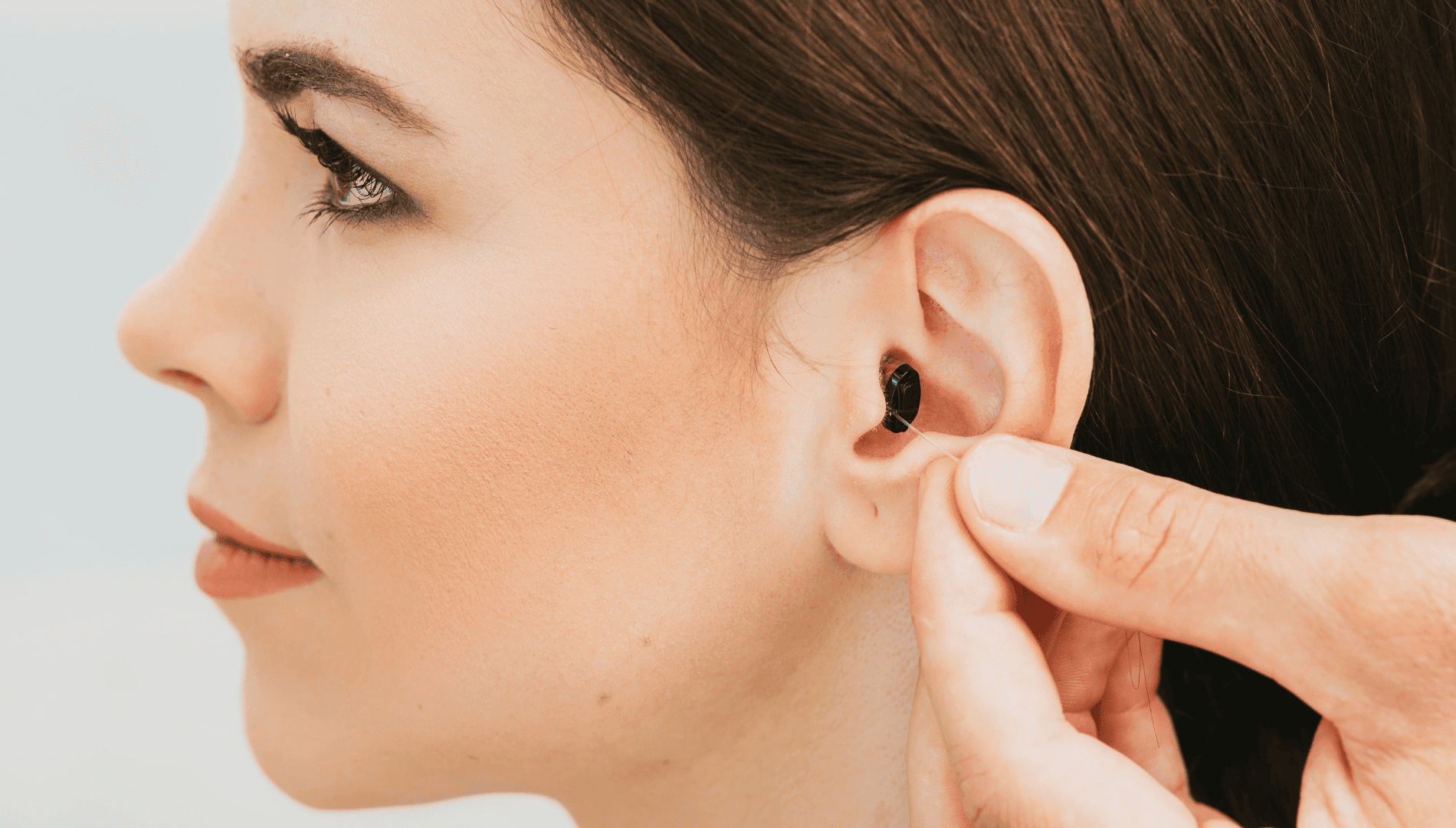
Hearing aids come in many shapes and sizes, but each serves the critical purpose of improving hearing and enhancing a person’s quality of life. They are designed to help individuals regain confidence and engage fully in their daily activities.
Behind-the-Ear (BTE) Hearing Aids
BTE hearing aids sit comfortably behind the ear. They consist of a hard plastic case that houses the electronics and a plastic earmold that fits inside the outer ear. BTE devices are suitable for all degrees of hearing loss, from mild to profound.
These aids are ideal for children because the earmold can easily be replaced as they grow. Furthermore, BTE hearing aids are known for their durability and ease of handling. They often have features like directional microphones and a telecoil, which improve their sound quality and reduce background noise.
In-the-Ear (ITE) Hearing Aids
ITE hearing aids fit entirely inside the outer ear. They are suitable for individuals with mild to severe hearing loss. These aids are larger than in-the-canal devices, which makes them easier to handle.
One of the main advantages of ITE hearing aids is that they can house a larger battery, which extends usage time between charges. Also, they often include features such as volume control and a program button, giving the user more control over their hearing experience.
In-the-Canal (ITC) and Completely-in-the-Canal (CIC) Hearing Aids
ITC hearing aids are custom-fit and sit partly in the ear canal. They are less visible than larger hearing aids and can suit mild to moderate hearing loss. CIC hearing aids, on the other hand, are almost hidden in the ear canal, making them even less noticeable.
Both ITC and CIC aids offer cosmetic advantages due to their smaller size. However, this also means they have fewer features and shorter battery life. Their small size can make them difficult to handle and adjust for some users.
Invisible-in-the-Canal (IIC) Hearing Aids
IIC hearing aids are the smallest type available, sitting deep in the ear canal. They are practically invisible and are designed for individuals with mild to moderate hearing loss.
These aids provide excellent sound quality and a natural listening experience due to their deep placement within the ear. However, like ITC and CIC aids, IIC devices have shorter battery life and limited features because of their small size. They also require dexterity to insert and remove.
Receiver-in-the-Canal (RIC) Hearing Aids
RIC hearing aids, also known as receiver-in-the-ear (RITE), have an external receiver that sits in the ear canal, connected to the hearing aid by a thin wire. This design reduces the size of the device behind the ear, making it more comfortable and less visible.
RIC devices are versatile and suitable for mild to severe hearing loss. They offer excellent sound quality and are often packed with advanced features like noise reduction, wireless connectivity, and rechargeable batteries. Their design allows for easy replacement of the receiver without needing a whole new hearing aid.
Choosing the Right Hearing Aid
Selecting the right hearing aid depends on various factors, including the degree of hearing loss, lifestyle, and personal preferences. It is essential to consult with a hearing health professional to determine the most suitable option.
BTE hearing aids may be the best choice for those seeking durability and ease of handling. ITE aids offer a middle ground between visibility and functionality, with larger sizes accommodating features such as volume control. ITC and CIC devices cater to those looking for discreet options, though with some trade-offs in battery life and features. IIC hearing aids are ideal for those prioritizing an invisible solution, while RIC aids balance form and function with high-quality sound and advanced features.
Advances in Hearing Aid Technology
Modern hearing aids have come a long way from the bulky devices of the past. Technological advancements have led to the development of smart hearing aids that can connect to smartphones and other devices, stream audio directly, and adjust settings remotely. These features enhance the user experience and make managing hearing aids more convenient.
Rechargeable batteries are another significant improvement, eliminating the need for frequent battery changes. Noise-reduction algorithms and directional microphones help focus on the speaker in a noisy environment, improving clarity.
Conclusion
In summary, hearing aids come in various styles, each with unique benefits and disadvantages. Understanding the different types can help individuals make informed decisions based on their needs and preferences. Consulting with a hearing health professional ensures the right fit, leading to better hearing and an improved enjoyment of life.